

|
|
|
|
|
|
|
|
|
|
|
|
|
|
|
|
|
|
|
|
|
|
A picture of what a year here actually looks like — for your child, for you, and for the friends you'll find along the way.
We're a Music Together® studio in East Nashville, serving families since 2017. Families come to us for the music. They stay because of everything else that happens in the room.
Before you start reading: the page below walks through a year that starts at six weeks old — but most of our families don't find us that early. Many join at 6 months. Many at a year. Plenty at 18 months or two-plus. Wherever you and your child are right now is the perfect place to begin.
Every baby is on their own timetable. The months below describe what families typically experience — not a schedule your child needs to keep up with. We've been doing this since 2017, and we've watched a lot of first years. The shape of it is real. The pace is yours.
Have a baby under 12 months? You can start anytime — our baby class, Music Mornings, is the place to begin.
You'll arrive carrying a six-week-old who sleeps through most of the class. That's expected. Babies are absorbing more than they're performing, and what they absorb early really matters — the research-based pedagogy of Music Together® calls this the absorption stage. Your baby is already collecting the sounds of music from the people around them, especially you.
You'll feel a little awkward singing in front of other adults. That fades by the third class. Within a month, you'll catch yourself humming the hello song in the car, in the kitchen, at bath time.
And look around the room. The other parents holding sleeping newborns? Some of them are about to become the most familiar faces in your week.
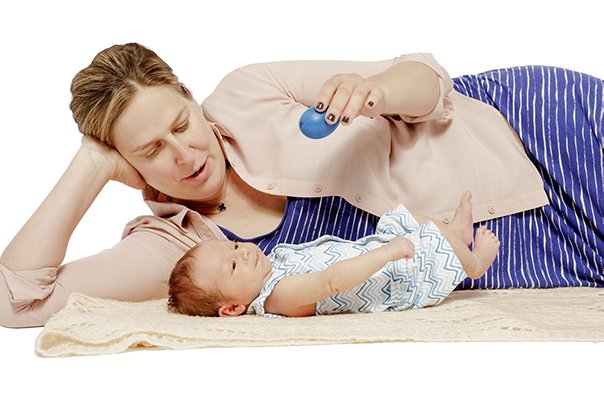
Sometime in the second month, your baby will turn her head toward the music when it starts. Maybe toward your teacher's voice during the hello song. Maybe toward the drum.
This is the first sign that she's started to know where she is. Music Together's research is clear: babies as young as two months can distinguish rhythm, melody, and volume changes, and they recognize music they've heard before.
You're starting to recognize the room too. The mom whose son was born a week before yours. The dad who's solo on Tuesdays. You don't know their names yet. You will.
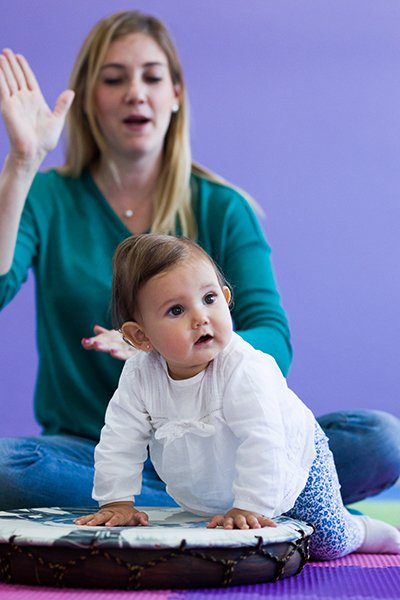
Your three-month-old will reach for the shakers. It might take him several tries to grab one, and another few to realize that shaking it makes the sound. That's the magic of class — not the music itself, but your child figuring out that he's part of it.
Around now, your baby may start to coo on a steady pitch — what Music Together calls early tonal development. He's not singing yet. But he's getting ready to.
You're starting to text another parent during the week. Just a photo, maybe. Just a "see you Tuesday."
Finding us around now? A three-month-old is a wonderful age to start. You'll get the full arc of the year, your baby's awareness will grow fast in this format, and the community-building begins on day one.
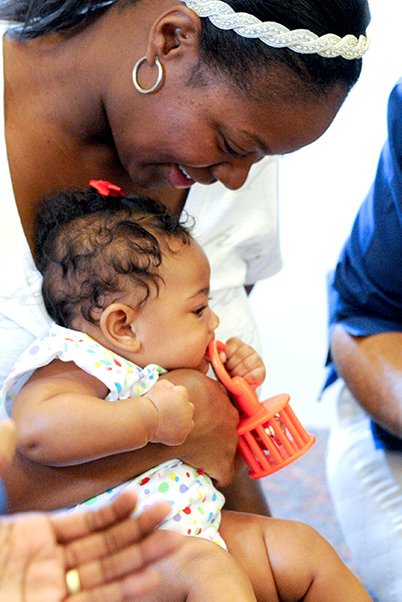
Around four months, your baby will start to vocalize during the songs. Not on key — that's not the point. With. They'll match their breath to the rhythm and add little vowel sounds in the spaces between phrases.
Music Together's research describes this directly: babies can start matching pitches as early as three or four months old. When you hear them do it for the first time, it will sound like nothing. It is not nothing.
The friends you're making in this room are friends you didn't know you needed. People at the exact same life stage. People who get it.
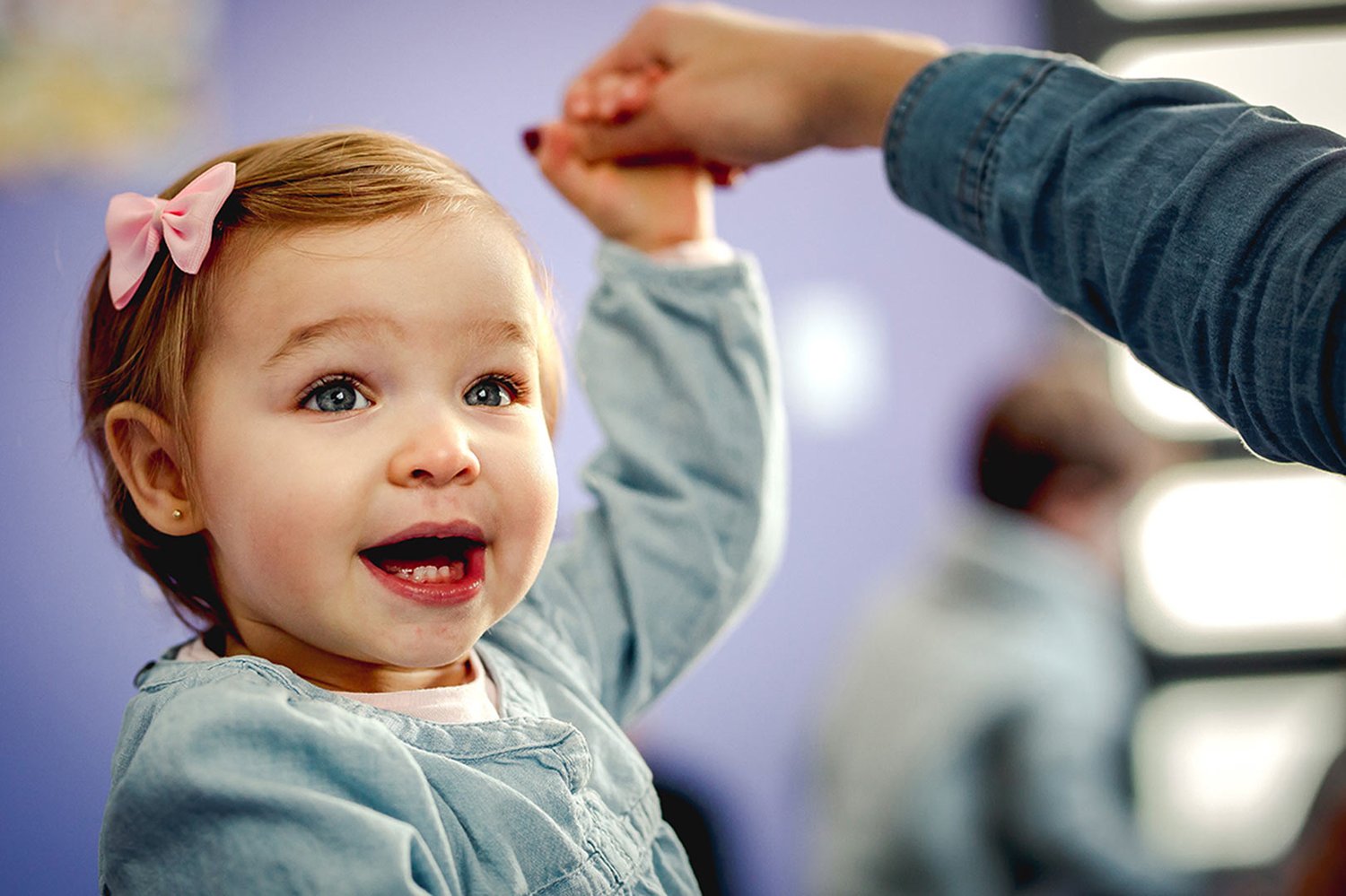
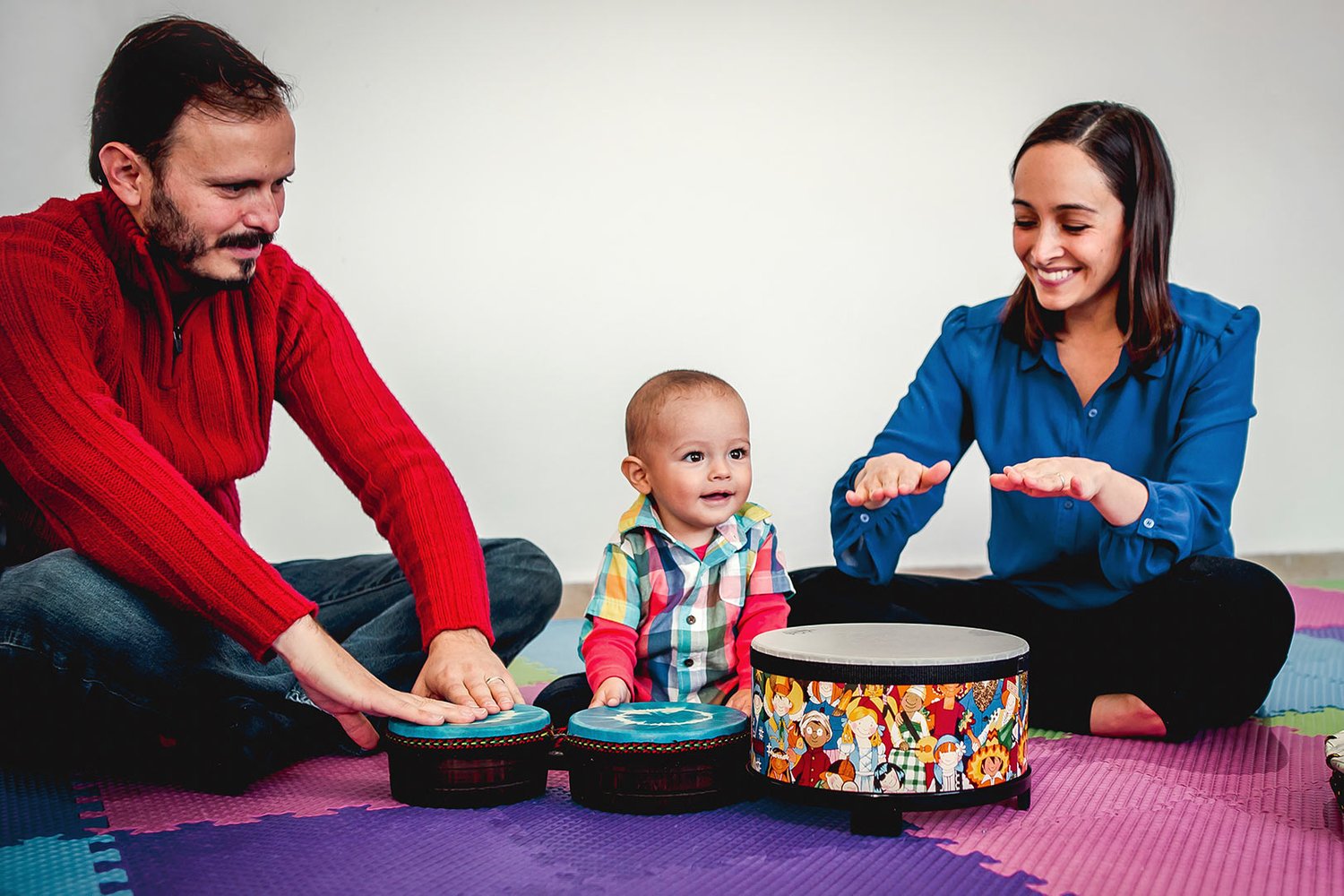
Most babies fall in love with the big drum somewhere around five months. They'll watch you tap it. They'll reach for your hand. They'll bang the surface themselves — and then they'll laugh at the sound they just made.
This isn't just adorable. It's a real developmental milestone. The drum is one of the first instruments where your baby experiences cause, effect, and shared rhythm with another person. That's musical thinking forming — and it's forming in your hands together.
By now, the other families have stopped being "the other families." Someone's hosting a birthday party. Someone's organizing a coffee after class. Your social calendar quietly changed shape.
"Tenn Little Birds is his favorite place."
— Claire, TLB parent
You're halfway through your first year. Your baby has heard most of these songs dozens of times by now. He has favorites. You can see his face shift when the lullaby starts — he relaxes in a way he only does for things he knows.
Your teacher knows your son's name. Knows his routines. Knows when he's having a rough morning. They text you about open spots in summer session because they know him.
This is what membership is really for. Not music class. This.
Finding us at 6 months? You're in great company — this is actually one of the most common ages families join. Your baby is just becoming aware of the room, starting to reach, beginning to recognize faces. It's a magical place to begin.
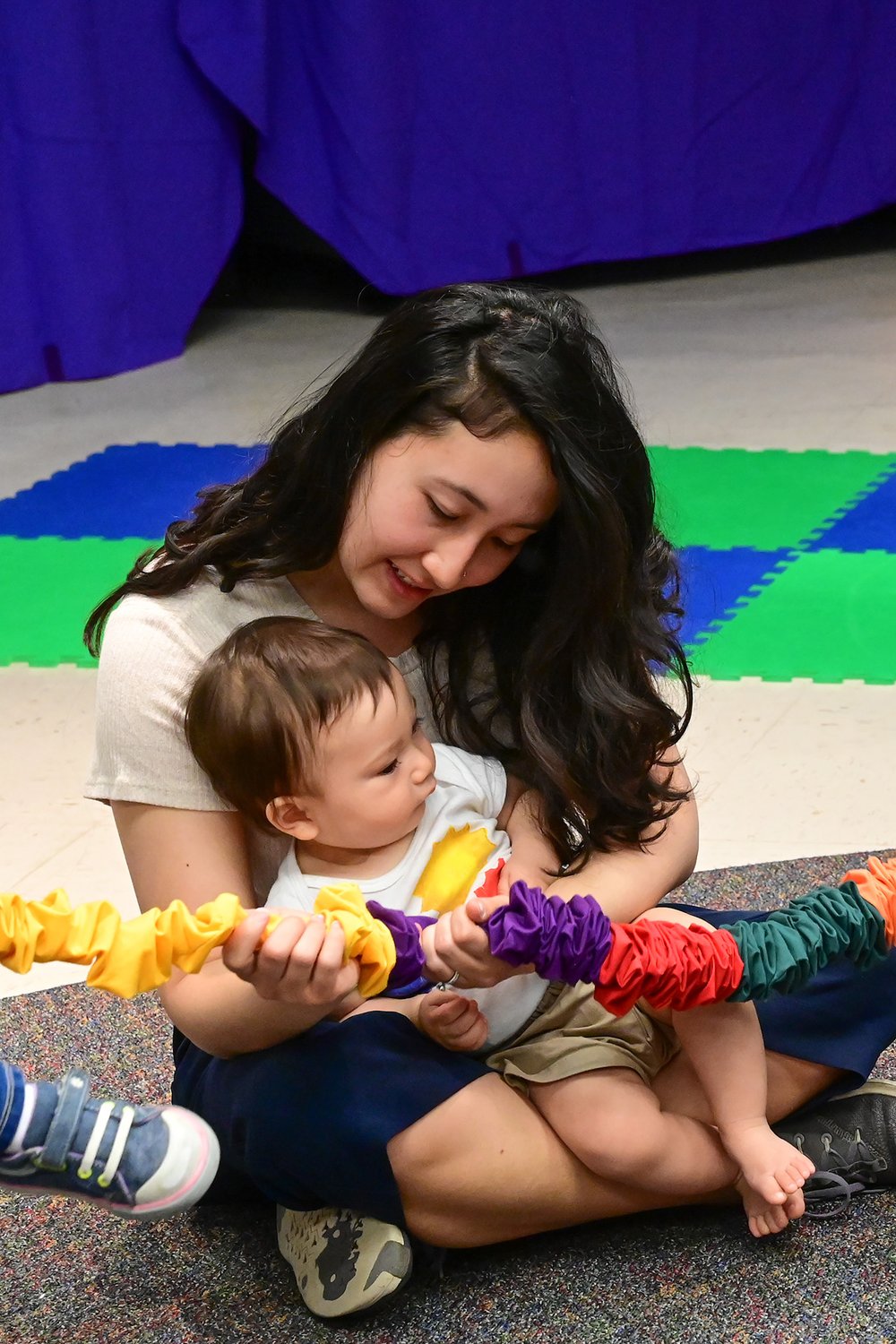
Your seven-month-old is probably sitting up on their own now. Which changes how they're in the room. They watch the toddlers — the kids who've been coming for a year already, who know what comes next, who lead the way through the shaker song. That's who they're becoming.
This is the mixed-ages model Music Together is built around, and there's real research behind it: younger children imitate older ones; older children learn by leading; everyone benefits from the developmental range in the room.
It's also, practically, why families with multiple kids love us. Siblings can be in the same class. Cousins can join. Whole little tribes form in this room.
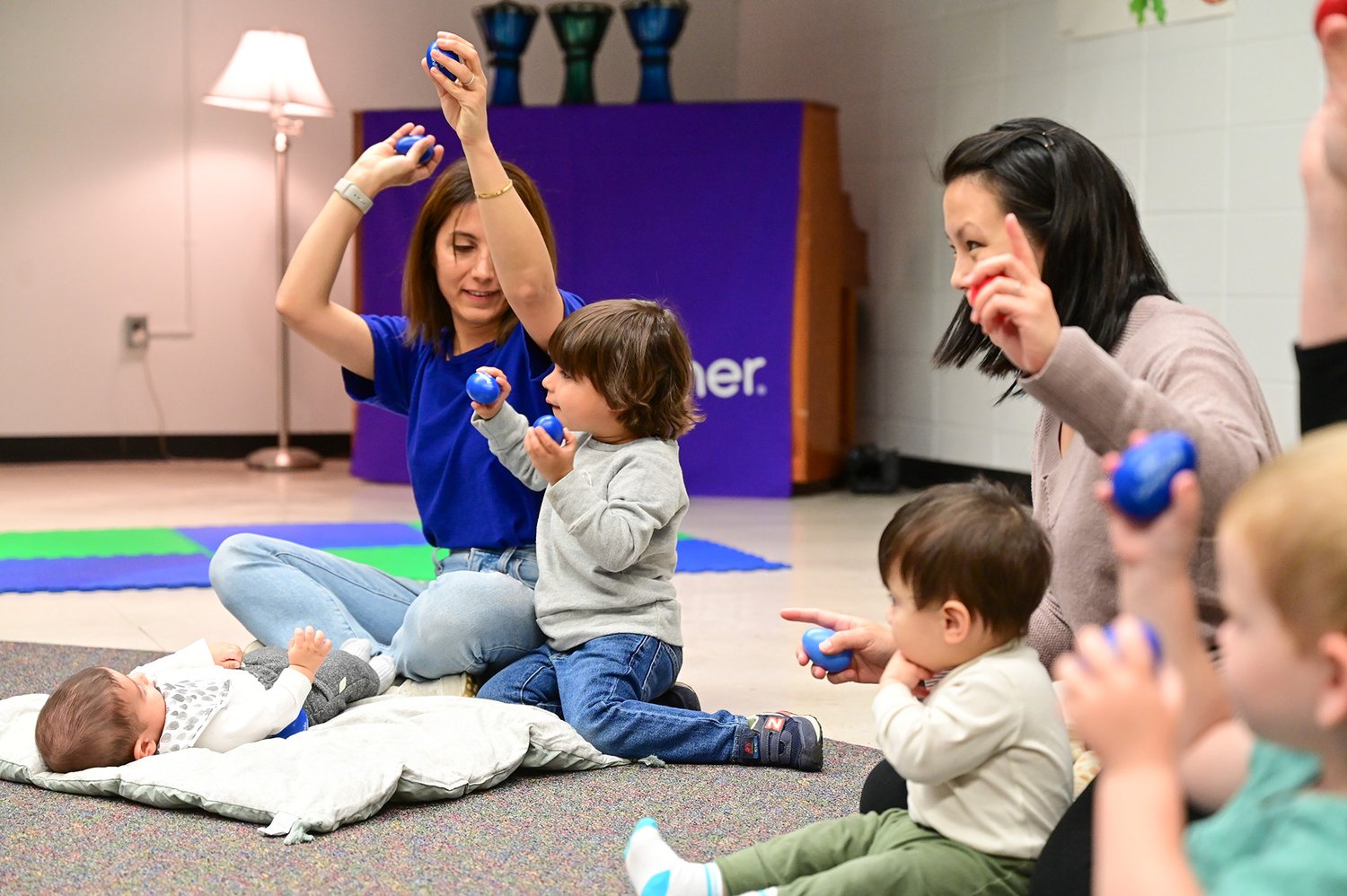
Eight-month-olds start moving toward things on purpose. She'll leave your lap during free play and crawl straight for the egg shakers. She knows where they live.
This is the moment caregivers always describe to us as a turning point — when their child starts navigating the room. She's not a guest. It's her studio too.
You'll notice you've stopped checking your phone during class. Class is the part of the week you're most present.
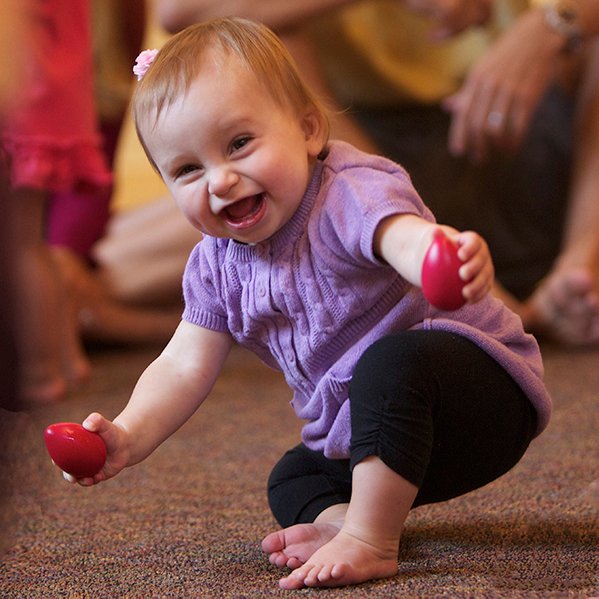
Around nine months, your baby may start vocalizing in rhythmic bursts — groups of two-to-five sounds that match what he's hearing. Music Together calls these characteristic gestures, and they're a sign that tonal and rhythmic development are starting to coordinate.
In plain English: he's not just listening anymore. He's joining in.
The text thread with the other parents has gotten loud. There's a group dinner at someone's house this weekend. The kids will play. The grownups will eat. This is who you are now.
Finding us around 9 months? Welcome — this is a sweet spot. Your baby is becoming aware, vocal, and ready to engage. The class is also lively enough now that they'll be drawn in fast, and you'll find your people in the first few weeks.
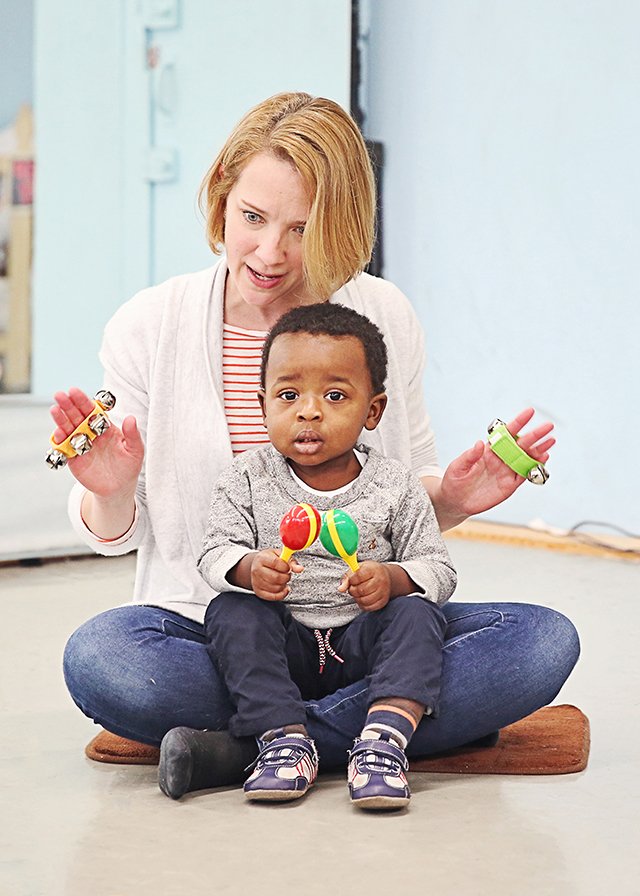
"So grateful for you and this awesome community!"
— Jordan, TLB parent
Your ten-month-old might pull to standing during class. They'll hold your knee, bounce to the rhythm song, and look at you in a way they haven't before. I'm doing it, their face says. I'm part of this.
We don't get tired of this moment. Every parent in the room knows the look. The other parents in the circle have all watched their own babies do exactly this — and they'll meet your eyes when it happens.
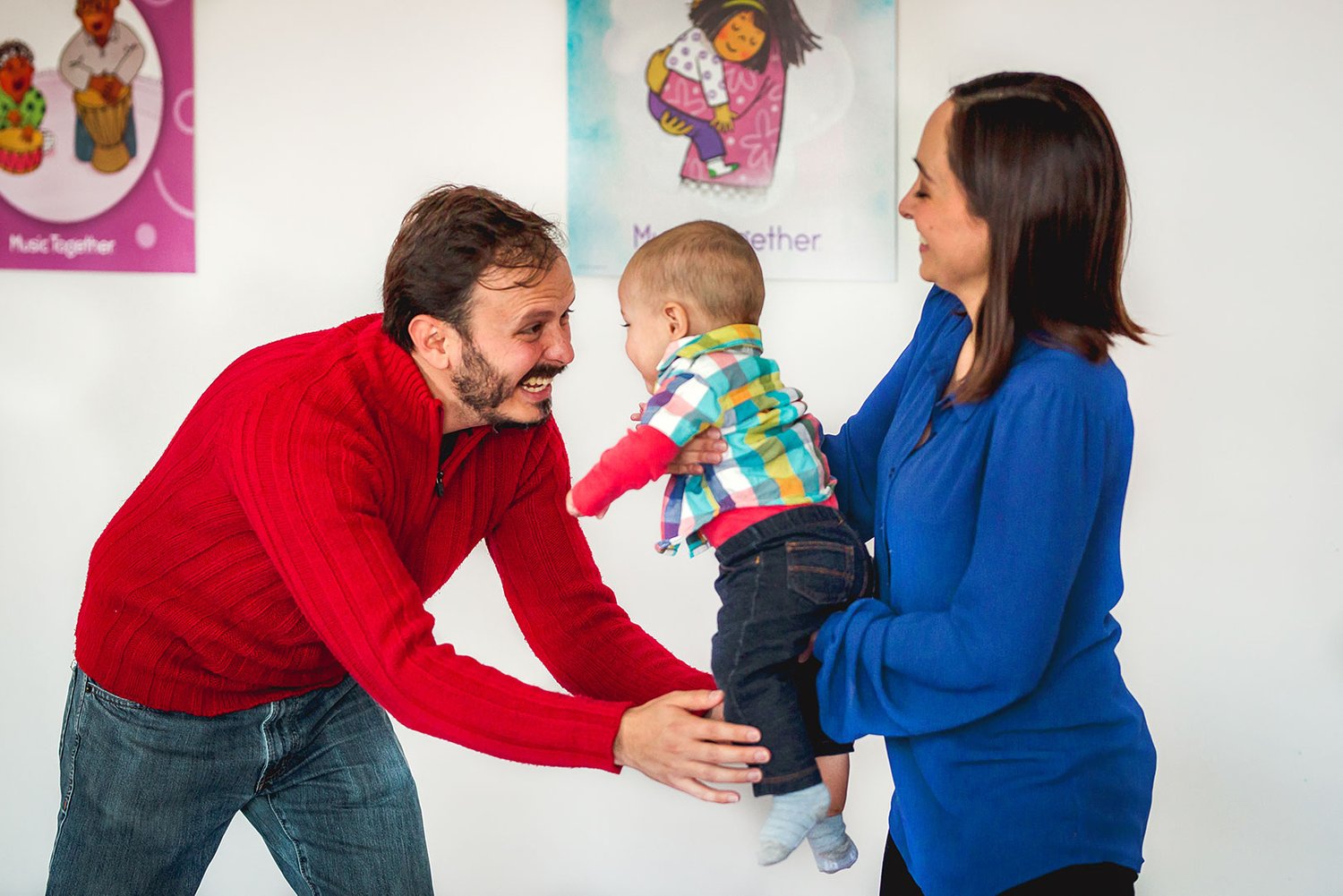
Once she's walking, the whole class shifts for her. She'll walk to instruments. She'll walk to other kids. She'll walk over to your teacher and lean against their leg in the middle of a song.
What you're watching is a child who has decided she belongs here.
What you might not have noticed: you've decided too.
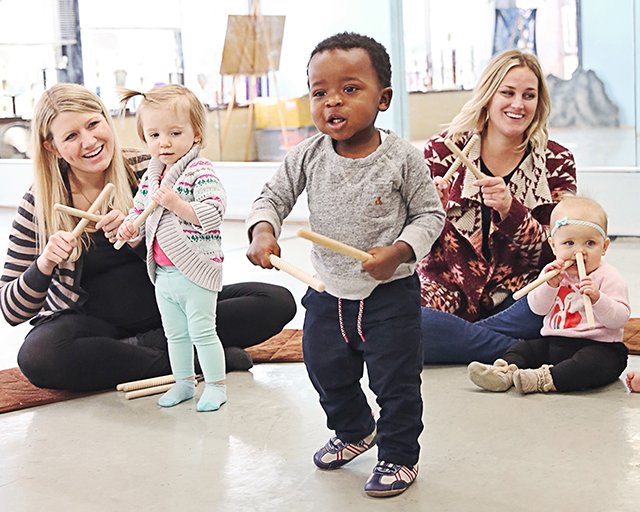
Your one-year-old has been coming to Tenn Little Birds for fifty-two weeks. They know the hello song. They know what to do when the cleanup music starts. They know your teachers by face.
And you have a community now. Real friends — the kind who watch each other's kids, swap pickup duty, host birthday parties, text you on hard days. You didn't have any of that a year ago. You built it, one Tuesday morning at a time, in a room with songs and shakers and the same people, week after week.
This is the year that doesn't happen at a drop-in class.
This is what we mean when we say a lifetime of music begins here®. We don't only mean the music.
which can work out to as little as
when you use your weekly bonus classes
That's lower than many drop-in options — and you get a teacher who knows your child's name.
You also get: a beautifully illustrated songbook, the Music Together® app, unlimited makeup classes, up to two bonus classes a week, priority registration, and member-only discounts at Woodland Play Cafe next door.
But the math isn't really the point. The point is that music class is the most reliable, low-friction way we've found for new families to find their people in this neighborhood.
The music gives you a reason to keep showing up. Showing up is what builds the community. The community is what you actually came for — whether you knew it or not.
Start with our baby class, explore everything we offer, or ask us what fits — we'd love to meet you.